Concrete Steps & Stairs
Safe, durable concrete steps and stairs that handle Richmond weather and heavy use without crumbling.
Why Quality Concrete Steps Matter for Your Home
Your front steps are the first thing you and your guests see when approaching your home. Cracked, uneven, or crumbling steps don't just look bad, they're a safety hazard. One wrong step can mean a serious fall, especially when ice forms in winter or leaves pile up in fall.
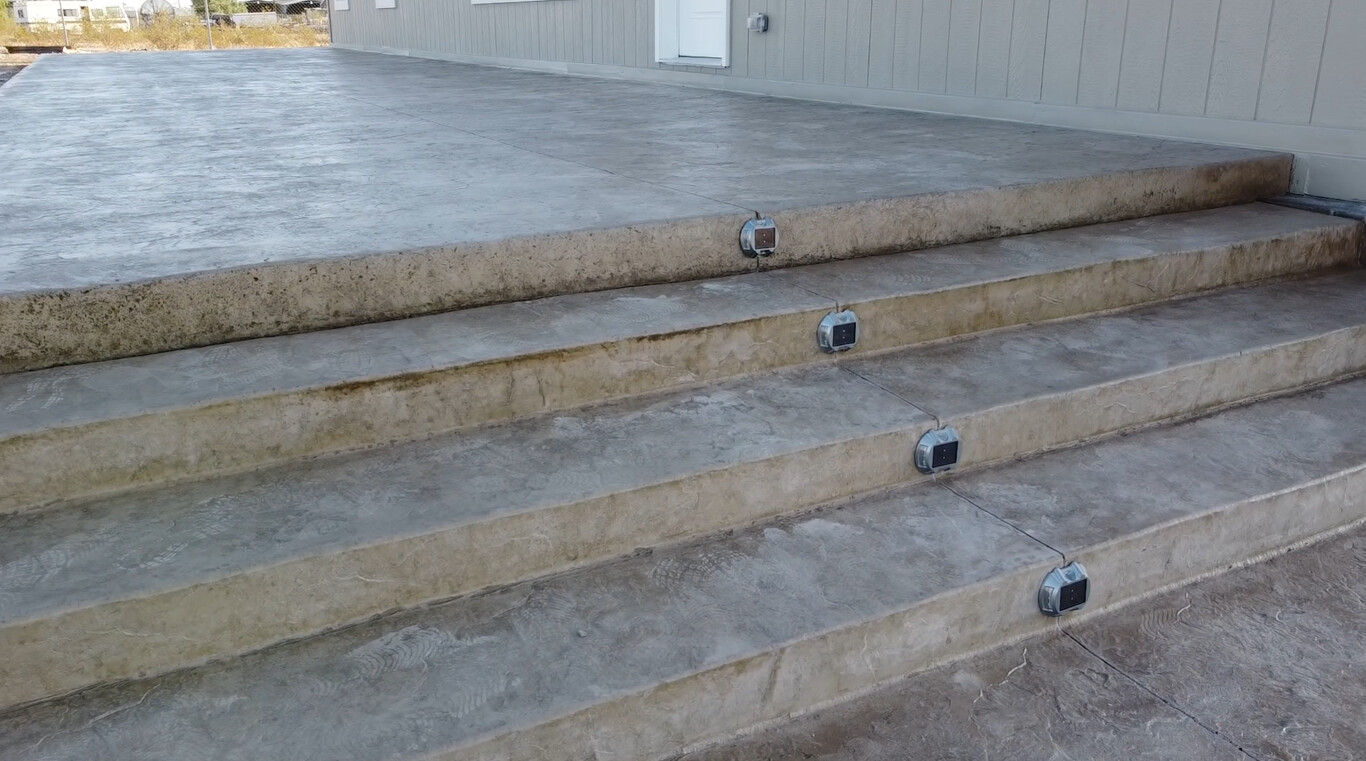
Concrete steps built right can last 30 years or more with minimal maintenance. The key is proper construction from the ground up. We don't just pour concrete over an old foundation and hope it holds. We excavate to stable soil, build a proper base, reinforce with rebar, and finish with your choice of textures and treatments.
What Makes Our Concrete Steps Better
- •Proper slope and drainage: We angle treads slightly forward so water runs off instead of pooling
- •Code-compliant dimensions: Correct rise and run measurements that feel natural to walk on
- •Reinforced structure: Steel rebar throughout to prevent cracking and settling
- •Non-slip surfaces: Textured finishes that provide grip even when wet
Whether you need a simple three-step entrance or a full staircase with landings and railings, we handle the entire project from design through installation. We also coordinate with handrail installers if you need that added safety feature.
How We Build Steps That Last
Building concrete steps is more technical than most people realize. The math needs to be exact for comfort and safety. The foundation needs to be solid or your steps will settle and crack. And the finish needs to provide traction without looking rough or industrial.
We start by calculating the total rise (height from bottom to top) and dividing that by the ideal step height, which is usually between 6 and 8 inches. This tells us how many steps you need. Then we figure out the tread depth (the part you step on), which should be at least 10 inches for comfortable walking.
Next comes excavation and base work. We dig down to stable soil, compact it thoroughly, and add a gravel base that drains water away from the foundation. If we're attaching to your house, we install a footing that goes below the frost line to prevent frost heave from pushing the steps away from your door.
The formwork is where experience really matters. We build wooden forms that create the exact shape and dimensions needed for safe, comfortable steps. We install rebar vertically and horizontally to tie everything together and prevent cracking. We also slope each tread slightly forward (about 1/8 inch per foot) so water drains off.
When we pour the concrete, we work in stages if needed, making sure each section is properly consolidated and finished before moving on. We use a mix designed for outdoor exposure with air entrainment for freeze-thaw protection. After placing the concrete, we finish the surfaces with your chosen texture, whether that's a broom finish, exposed aggregate, or stamped decorative patterns.
Proper curing is the final critical step. We keep the concrete moist for several days to prevent surface cracking and ensure it reaches full strength. After about a week, your steps are ready for light use, though full strength takes about 28 days.
Should You Repair or Replace Your Steps?
If your existing steps have issues, you might be wondering whether to patch them up or start fresh. Here's how we think about that decision.
When Repair Makes Sense
Small surface cracks, minor spalling (surface flaking), or cosmetic damage can often be repaired. We clean out the damaged area, apply bonding agents, and fill with repair mortar that's stronger than the original concrete. If the steps are still structurally sound and the damage is just on the surface, repair is usually the cost-effective choice.
We also repair steps that have settled slightly but aren't badly cracked. Sometimes we can lift and level steps using specialized equipment and techniques. This works well if the settling is minor and the concrete itself is in good shape.
When Replacement Is Better
If your steps have major cracks, severe settling, or structural problems, replacement is usually the better long-term solution. Trying to repair steps that are fundamentally failing often means throwing money at a problem that will just come back in a year or two.
Steps that have pulled away from the house, have large sections that have broken off, or have rebar showing through are all candidates for replacement. It might seem expensive upfront, but you'll end up with steps that will last another 30 years instead of limping along with temporary fixes.
We'll always give you an honest assessment of what makes sense for your situation. Sometimes a good repair buys you a few more years before you need to budget for replacement. Other times, doing it right the first time saves you money and hassle in the long run. Check out our concrete repair and replacement services to learn more about your options.
Common Questions About Concrete Steps
Ready to replace those old crumbling steps with safe, beautiful concrete?
Schedule Your Free Consultation