Concrete Slab & Foundation Work
Your foundation is the most important part of any structure, and getting it right the first time prevents costly problems for decades to come.
Why Foundation Work Cannot Be Compromised
Every building needs a solid foundation to remain structurally sound. Whether you are building a new garage, shed, addition, or complete home, the foundation determines how well the structure performs over time. A poorly built foundation leads to cracks in walls, doors that will not close properly, and floors that slope. These problems are expensive to fix and often require extensive repairs to the building above.
Here in Richmond, KY, our soil conditions and climate create specific challenges for foundations. Clay soils expand when wet and shrink when dry, putting stress on concrete. Winter freezing can cause frost heave if the foundation is not deep enough. We account for these local conditions in every foundation we pour. That means proper depth, adequate reinforcement, and attention to drainage so water never compromises the foundation integrity.
Foundation work also includes concrete slabs for garages, shops, and pole barns. These slabs must be level, properly reinforced, and thick enough to support the intended use. A garage slab handles different loads than a patio slab, so the specifications change accordingly. We design each slab based on soil conditions, building size, and how you plan to use the space.
Types of Foundation and Slab Work We Do
- Slab-on-grade foundations for new construction and additions
- Garage and shop floor slabs designed for vehicle loads and equipment
- Pole barn and outbuilding slabs with proper thickness and reinforcement
- Stem wall and footing systems for homes and commercial buildings
- Equipment pads and industrial slabs for heavy machinery
How We Build Foundations That Last Generations
Foundation work starts with understanding the soil and site conditions. We evaluate soil type, drainage patterns, and frost depth requirements. In some cases, we recommend soil testing to determine bearing capacity. This information tells us how deep to excavate, what base material to use, and how much reinforcement the foundation needs. Skipping these steps leads to foundation failure down the road.
Excavation must reach stable soil and extend below the frost line to prevent heaving. We then install a compacted gravel base that provides drainage and a stable platform for the concrete. For foundation walls, we build forms to exact specifications and install rebar in a grid pattern. The rebar placement follows engineering requirements for the building load and soil conditions. We also install anchor bolts or plates for attaching the structure above.
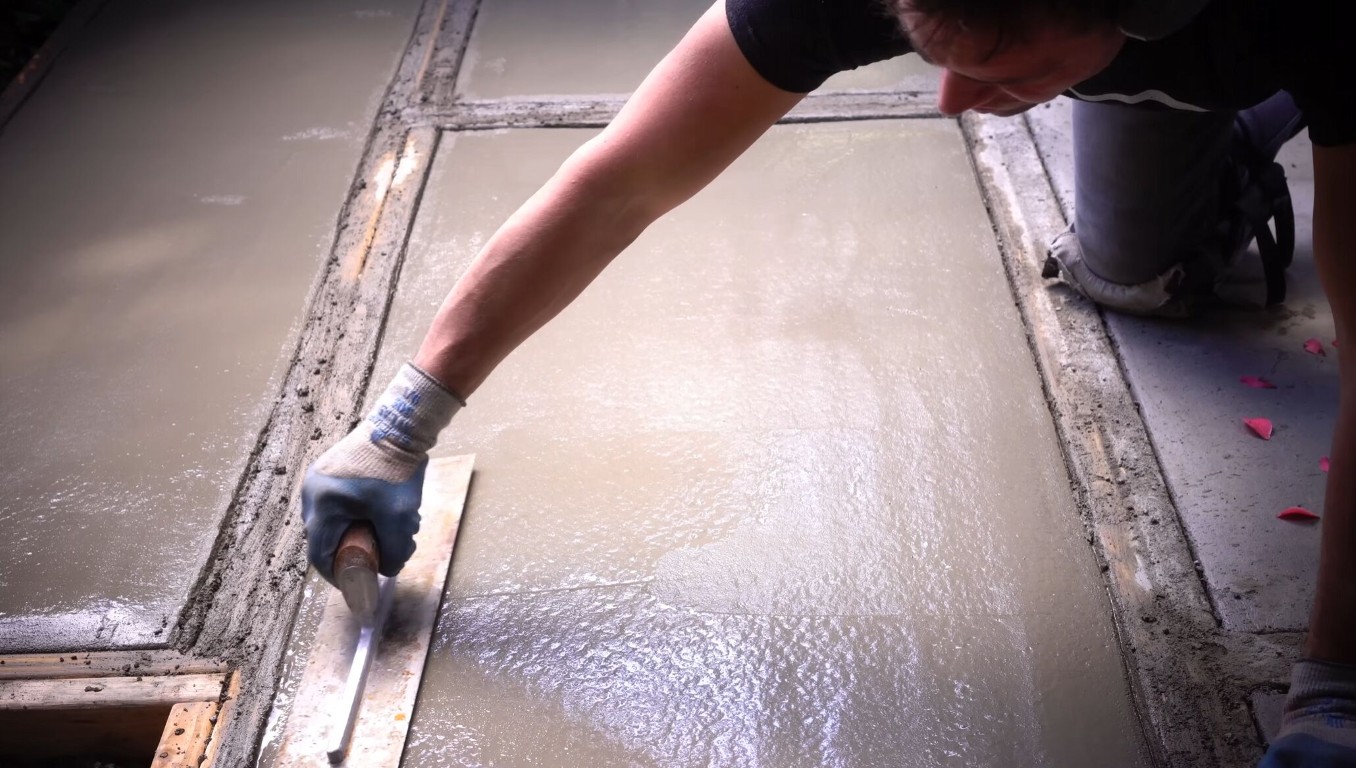
Concrete placement requires careful attention to mix design and curing. Foundation concrete needs higher strength than typical flatwork, usually 3500 to 4000 PSI or more. We vibrate the concrete to eliminate air pockets and ensure complete filling around reinforcement. After pouring, proper curing protects the concrete while it gains strength. We do not rush this process because foundation strength is not negotiable.
Quality Control at Every Step
We follow building codes and engineering specifications exactly. For commercial projects or complex residential work, we coordinate with structural engineers and building inspectors. Every foundation gets inspected before we pour concrete to verify proper reinforcement placement and form dimensions. This attention to detail ensures your foundation meets all safety requirements and performs as designed. You can build on it with confidence knowing it was done right.
Preventing Foundation Problems Before They Start
Most foundation problems trace back to poor installation or inadequate drainage. Water is the enemy of foundations. It erodes base material, creates hydrostatic pressure, and causes soil movement. We design every foundation with proper drainage in mind. That includes sloping the grade away from the building, installing perimeter drains when needed, and using gravel backfill that allows water to escape.
Another common issue is inadequate reinforcement or concrete that is too thin. Some contractors cut corners to save money, using less rebar or pouring thinner slabs than specified. These shortcuts create foundations that crack and fail prematurely. We use the correct materials and follow proven construction methods because we stand behind our work. If you need foundation repairs later, we want it to be from unusual circumstances, not poor workmanship.
Warning Signs of Foundation Problems
- Cracks in foundation walls or floor slabs that grow over time
- Doors and windows that stick or will not close properly
- Floors that slope or feel uneven when walking across them
- Gaps between walls and floors or between walls and ceilings
- Water seepage or dampness in basement or crawlspace areas
If you notice any of these signs, get a professional evaluation as soon as possible. Foundation problems do not fix themselves and only get worse over time. Early intervention costs less than waiting until the damage becomes severe. We assess foundation issues honestly and recommend appropriate solutions, whether that is minor repairs or more extensive work.
Frequently Asked Questions
Build Your Project on a Solid Foundation
Let us handle your foundation work with the expertise and attention it deserves. We provide free consultations and detailed quotes for all foundation and slab projects. Get in touch today to discuss your project.